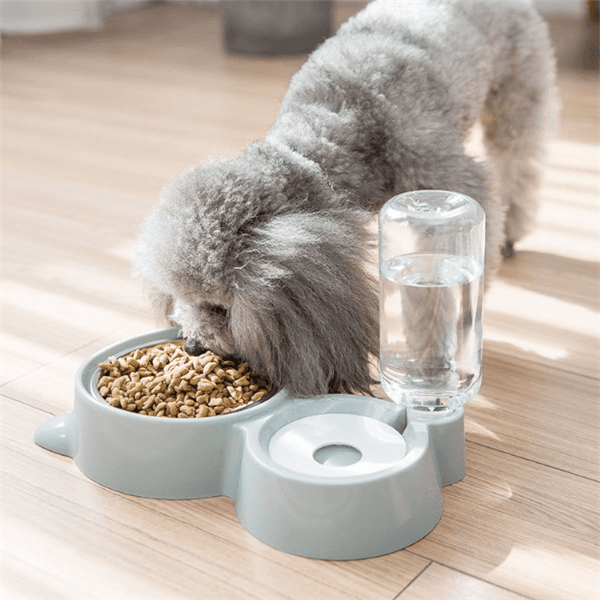
In the symphony of a pet’s vibrant life, few elements play a more critical, yet often underestimated, role than proper hydration. Like a well-oiled machine, every cell, tissue, and organ in your beloved companion’s body relies on a steady supply of fresh water to function optimally. It’s the invisible architect of their energy, vitality, and long-term health, and understanding its nuances is a hallmark of truly devoted pet ownership.
The Foundation of Well-being: Understanding Your Pet's Water Needs
While often quoted that pets need approximately one ounce of water per pound of body weight daily, this is merely a starting point. Your pet's individual hydration requirements are a dynamic equation influenced by a variety of factors. Highly active dogs, for instance, will naturally require more water than a more sedentary senior cat. Environmental conditions also play a significant role; a hot summer day or a dry indoor environment increases fluid loss, necessitating greater intake. Furthermore, diet can impact thirst – pets on a primarily dry kibble diet will often drink more than those consuming wet food, which has a higher moisture content. Age, underlying health conditions, and even certain medications can also alter their needs. The key is to observe your pet’s typical habits and ensure fresh, clean water is always readily available.
Bowl or Fountain? Optimizing Water Delivery
The humble water bowl has long been the standard, offering simplicity and accessibility. However, not all bowls are created equal, and their static nature means water can quickly become stale, contaminated with dust, hair, or food particles, making it less appealing. Materials matter too; plastic bowls can harbor bacteria and scratch easily, while stainless steel and ceramic options are generally considered safer and easier to clean.
Enter the pet water fountain – a modern solution gaining popularity for good reason. Fountains provide a continuous flow of filtered, aerated water, which many pets find inherently more appealing and stimulating. The gentle gurgling sound can entice pets to drink more frequently, leading to better hydration. This constant circulation also inhibits bacterial growth more effectively than stagnant water. While fountains require regular cleaning and filter changes, the benefits of providing a consistently fresh and enticing water source often outweigh the minor maintenance. For multi-pet households or pets with specific health concerns, a fountain can be a game-changer.
Decoding the Signals: Recognizing Dehydration in Your Pet
Knowing how much your pet should drink is one thing; recognizing when they aren't drinking enough is another crucial skill. Dehydration can range from mild and easily remedied to severe and life-threatening, making early detection paramount. Here are the signs to watch for:
- Lethargy and Weakness: A noticeable drop in energy, unusual sluggishness, or reluctance to play.
- Dry Gums: Healthy gums are moist and pink. Dehydrated gums will appear tacky, dry, or pale.
- Loss of Skin Elasticity (Skin Tent Test): Gently lift the skin between your pet's shoulder blades. If it snaps back quickly, hydration is likely adequate. If it returns slowly or "tents" up, your pet may be dehydrated.
- Sunken Eyes: In more severe cases, your pet's eyes may appear sunken into their sockets.
- Reduced Urination: While harder to monitor, less frequent or darker urine can be a sign.
- Panting and Excessive Drooling: Especially when not exercising, these can be signs of overheating and dehydration.
- Vomiting and Diarrhea: These conditions can rapidly lead to dehydration and create a dangerous cycle.
If you observe any of these symptoms, particularly in combination, contact your veterinarian immediately. Early intervention is key to preventing serious health complications.
Cultivating a Culture of Hydration in Your Home
Beyond choosing the right vessel, there are several simple yet effective strategies to encourage optimal water intake. Firstly, consider placing multiple water stations throughout your home, especially in areas your pet frequently visits. This ensures water is always within easy reach and removes any barriers to drinking. For finicky drinkers, try adding a splash of bone broth (ensure it's low sodium and pet-safe) or even a few ice cubes to their water bowl to make it more appealing. For pets on dry food, adding a little warm water to their meal can increase moisture intake and enhance palatability. Remember, consistency in cleaning all water bowls and fountains is non-negotiable to prevent bacterial buildup and keep the water fresh and inviting. A sparkling clean water source is always more appealing than a murky one.
Our Commitment to Pet Well-being
Ensuring your pet's hydration is not just about meeting a basic need; it's about fostering their overall vitality and comfort. It's an act of care that elevates their daily experience. At The Paw Boutique, we understand that every detail contributes to your pet’s well-being and the aesthetic harmony of your home. While providing fresh water is paramount, the manner in which it's offered can significantly impact their willingness to drink. Our collection of feeding essentials is meticulously designed, crafted for ultimate comfort and aesthetic distinction. We believe in embodying quiet luxury for modern pets, using high-grade pet-safe materials to deliver superior durability, timeless elegance, and joyful daily moments around their dining and hydration. Creating an environment that encourages healthy habits is a quiet luxury, and we believe in offering solutions that blend seamlessly into your sophisticated lifestyle. The right choice of dining ware can make all the difference, transforming a simple necessity into a moment of pure joy and comfort for your cherished companion, ensuring they feel cherished in every aspect of their day.