As a pet owner, ensuring your furry friend stays hydrated is one of the most critical aspects of their daily care. Water makes up approximately 80% of a cat's or dog's body, and even mild dehydration can lead to serious health issues. In this article, we'll delve into the world of pet hydration, exploring water intake guidelines, the benefits of fountains over traditional bowls, and the signs of dehydration you should watch out for.
Understanding Water Intake Guidelines
Generally, a dog needs about one ounce of water per pound of body weight per day, while cats require a bit less, around 3.5 to 4.5 ounces of water per 10 pounds of body weight. However, these are just rough estimates, and individual needs can vary significantly based on factors like age, size, breed, and level of physical activity. For instance, a highly active dog may need more water than a sedentary one, and puppies or kittens may require more frequent watering due to their smaller bladders and higher metabolism.
Fountain vs Bowl: Which is Better for Hydration?
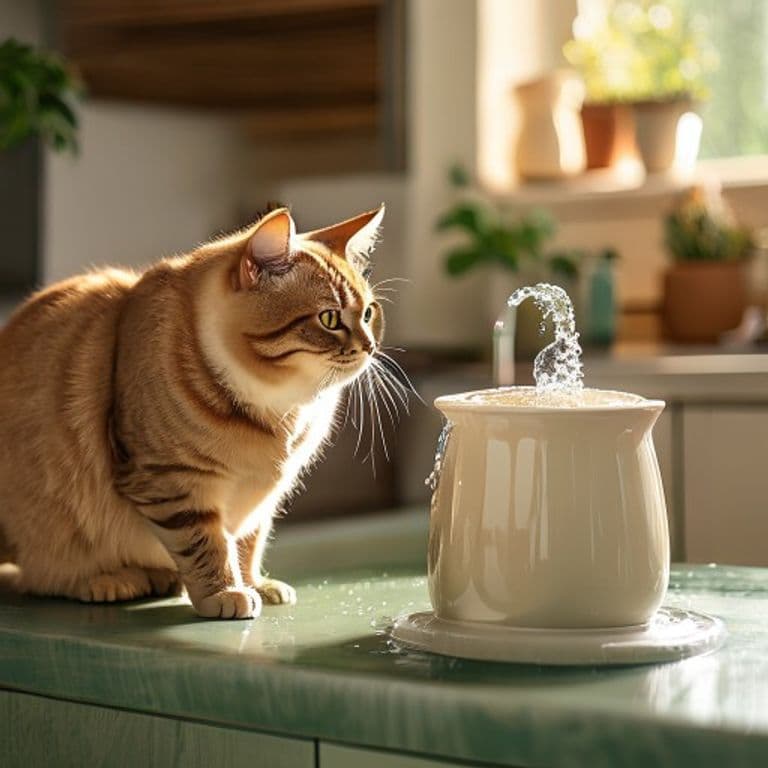
When it comes to encouraging your pet to drink more water, the method of water delivery can play a significant role. Traditional water bowls can be effective, but they often lack the visual and auditory stimulation that can encourage pets to drink. Water fountains, on the other hand, provide a constant flow of fresh, circulating water, which can be more appealing to pets. Many experts believe that the sound and movement of water in a fountain can stimulate a pet's natural instinct to drink from running water, thereby increasing their water intake.
Recognizing the Signs of Dehydration
It's crucial for pet owners to be able to recognize the signs of dehydration in their pets to intervene early. Common indicators include dry gums, excessive panting, dark yellow or brown urine, and lethargy. In severe cases, dehydration can lead to sunken eyes, a decrease in skin elasticity, and even collapse. If you suspect your pet is dehydrated, it's essential to consult with a veterinarian as soon as possible to receive proper advice and treatment.
Maintaining Optimal Hydration Levels
Maintaining your pet's hydration levels requires a combination of providing ample fresh water, monitoring their water intake, and being aware of the signs of dehydration. Regular veterinary check-ups can also help identify any underlying health issues that may impact your pet's hydration needs. Additionally, feeding a balanced diet that includes moisture-rich foods can contribute to your pet's overall hydration, especially for cats, who are naturally inclined to obtain a significant portion of their water intake from their food.
Our Recommendation for a Hydrated and Happy Pet
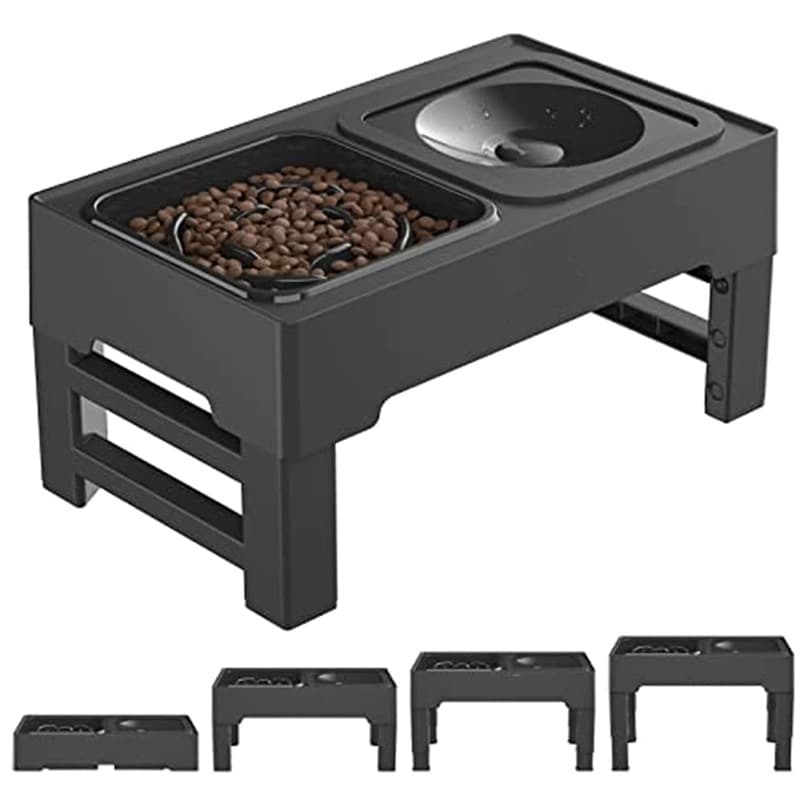
At The Paw Boutique, we understand the importance of keeping your pet hydrated and happy. That's why we've curated a collection of luxurious pet accessories, including our Aesthetic Non-Slip Ceramic Pet Food & Water Bowl, designed to elevate your pet's dining experience. With its sleek, modern design and ergonomic features, this bowl encourages comfortable eating and drinking, reducing strain on your pet's neck and improving digestion. By choosing high-quality, thoughtful accessories like those found in our collection, you can help ensure your pet stays hydrated, healthy, and content.