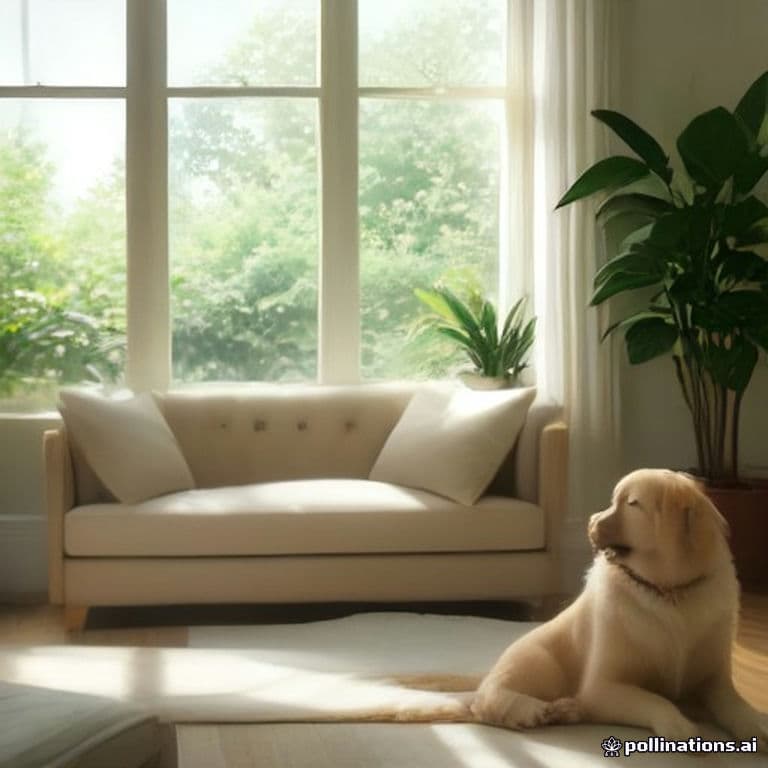
There is a profound intimacy in watching a pet sleep. It is a moment of complete vulnerability, where the guardian of your home or the spirited adventurer of your yard surrenders to the quiet rhythm of the body’s repair mechanisms. For many owners, this is simply a cute detail, a pause in the day. However, beneath the twitching whiskers and the gentle rise and fall of the ribs lies a complex neurological event that dictates your companion’s physical health and emotional well-being. Understanding the architecture of pet sleep is not just academic; it is a critical component of holistic care that directly influences their longevity and quality of life.
The Architecture of REM Sleep
Just like humans, dogs and cats cycle through distinct stages of sleep: non-REM (NREM) and rapid eye movement (REM). NREM sleep is the stage where the body performs essential maintenance. This is when growth hormone is released, muscles relax, and cells repair themselves. It is the deep, restorative sleep that feels so profound that waking a pet from this state can sometimes result in brief disorientation, often called sleep drunkenness.
REM sleep, however, is where the mind works. During this phase, which accounts for roughly 20% of a cat’s sleep cycle and 10-15% of a dog’s, the brain activity mirrors that of wakefulness. This is when dreams occur, and more importantly, when the brain processes emotional experiences and consolidates memories. Studies indicate that pets deprived of REM sleep show signs of increased anxiety, irritability, and a diminished ability to learn new commands or navigate social cues. If your pet seems more reactive or stressed than usual, a disruption in their sleep architecture may be a contributing factor.
Breed-Specific Durations and Puppies vs. Seniors
While the average adult dog sleeps between 12 and 14 hours a day, and cats between 12 and 16, these numbers are highly variable based on age, breed, and activity level. High-drive working breeds, such as Border Collies or German Shepherds, may require more physical rest after intense mental or physical exertion, whereas brachycephalic breeds like Pugs or French Bulldogs may sleep longer due to metabolic differences and respiratory constraints.
Age plays a pivotal role in duration. Puppies, for instance, can sleep up to 18 to 20 hours a day because their bodies are in a state of hyper-growth. Conversely, senior pets often sleep more not just out of fatigue, but due to the onset of chronic pain conditions. If you notice a sudden increase in sleep duration in an older dog, it is often a silent signal that their joints or organs are under stress, warranting a veterinary check-up.
Joint Health and the Importance of Support
Anatomy dictates comfort. A pet’s spine and joints are designed to bear weight in specific postures, but prolonged pressure on bony prominences—especially in large or arthritic dogs—can lead to pressure sores and exacerbate joint inflammation. The surface on which a pet sleeps is not merely a cushion; it is a biomechanical support system.
Memory foam and high-density orthopedic materials are engineered to distribute weight evenly, reducing the pressure points on the hips and shoulders. This is particularly vital for chondroprotective health. When a pet sleeps on an unsupportive surface, their muscles must work harder to maintain stability, preventing true restorative relaxation. Over time, this chronic muscle tension can contribute to stiffness and accelerated wear and tear on the joints, significantly impacting their mobility in later years.
Reducing Anxiety Through Environmental Security
Sleep is also a time when the sensory threshold lowers. Pets are more susceptible to environmental stressors during rest, such as loud noises, temperature fluctuations, or a lack of secure boundaries. Anxiety during sleep prevents the brain from entering the restorative REM phase, leading to a fragmented rest cycle that leaves the pet fatigued yet irritable.
Creating a den-like environment, with elevated edges or enclosed designs, can trigger a primitive safety response, lowering cortisol levels and allowing the parasympathetic nervous system to take over. This biological shift is essential for reducing baseline anxiety. A pet that feels secure in its sleeping space is a pet that can fully detach from the day’s stressors, leading to a calmer, more balanced demeanor during waking hours.
Our Recommendation
Selecting the right sleep environment is a long-term investment in your pet’s health, not just a short-term comfort upgrade. For those seeking a balance of clinical support and aesthetic refinement, The Paw Boutique’s collection offers solutions designed with these biological needs in mind. Our featured piece, The Serenity Cloud Sofa, is crafted using high-grade, pet-safe materials that provide superior durability while delivering the plush, supportive structure necessary for joint health. Designed to embody quiet luxury, it ensures that your pet’s rest is both therapeutic and seamlessly integrated into the modern home, offering a sanctuary where deep, restorative sleep can finally take place.
